Finally, an adaptive platform
 built for the unique challenges
of teaching computer science!
built for the unique challenges
of teaching computer science!
Prioritizes logic over syntax, adapts to rapid curriculum innovation, and prepares students for an AI-driven industry.
Get Alps free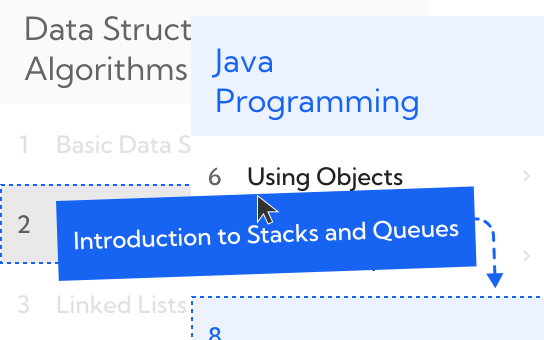
Mix and match your curriculum
CSAwesome, Think Python and dozens more open titles are already here. Mix several curricula in one class — borrow a unit from Data Structures for your Java course without switching tools — and hide the chapters you’re not teaching. Your students see one textbook. Your own worksheets and exams can become auto-graded Custom Activities in minutes, too.
Practice matched to what each student has mastered
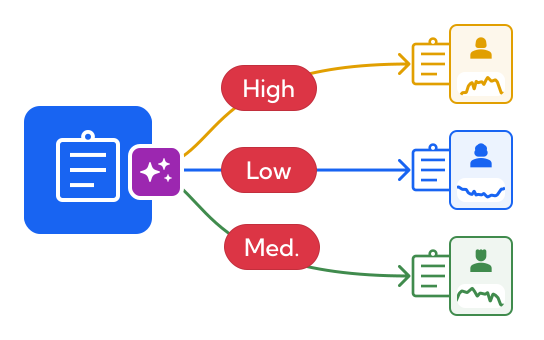
Alps tracks how well each student has mastered every skill in your course, and draws on 10,000+ leveled, solution-verified problems. Use Automated Assignments to group your class by mastery and engagement, then build practice for each group in seconds, from exercises that match your curriculum and make copying harder. You never run out of practice at the right level, and you review every group before you publish.
Help for students who get stuck
Alps offers a hint first and more help only as a student needs it, without giving away the answer. Adaptive Coding and Adaptive Parsons keep students working through hard problems, and you can see which help each one used. When a student would rather look it up, one search covers every book in the class, in their own words.
See how each student worked it out
Replay a student’s code from the first draft to the final submission and spot where they got stuck, so your help starts in the right place. See Process Insights. Class analytics show where the whole class is stuck, in time to reteach. During class, Live Activity shows who needs you first, and the Gradebook shows who is slipping over the term and sends grades to your LMS.
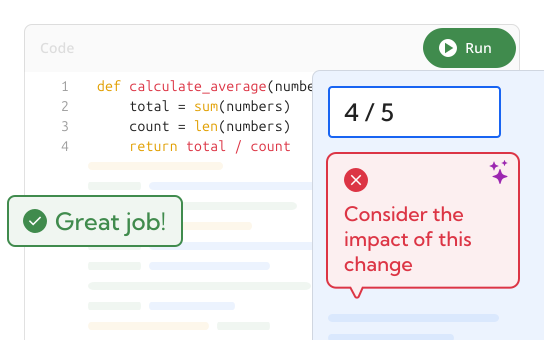
Instant feedback
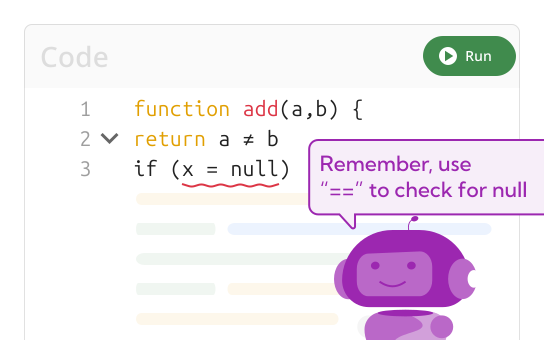
Students get feedback the moment they submit: unit tests on their code, rubrics on their written answers. Python and Java also get semantic checks, which run every time the code runs and show how it was written, not just whether the tests passed. These checks never change a grade, and you have the final say on every grade.
Many languages, nothing to install
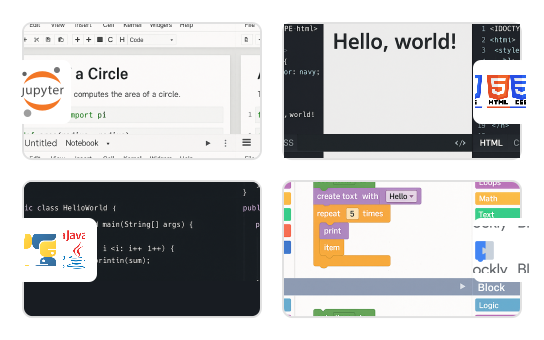
Students write and run code in the browser, with editors for Python, Java, Jupyter notebooks, C/C++, SQL, JavaScript, HTML/CSS, block coding in Snap! and AlpsBlocks, Blockly, and more. There’s also a cyber range for teaching cybersecurity.
What CS teachers say
“Alps changed what my week looks like. Grading a class of 30 no longer costs me a Sunday, every student gets feedback the moment they submit, and I can see who is stuck while there is still time to do something about it.”
Popular CS textbooks, with grading and practice built in

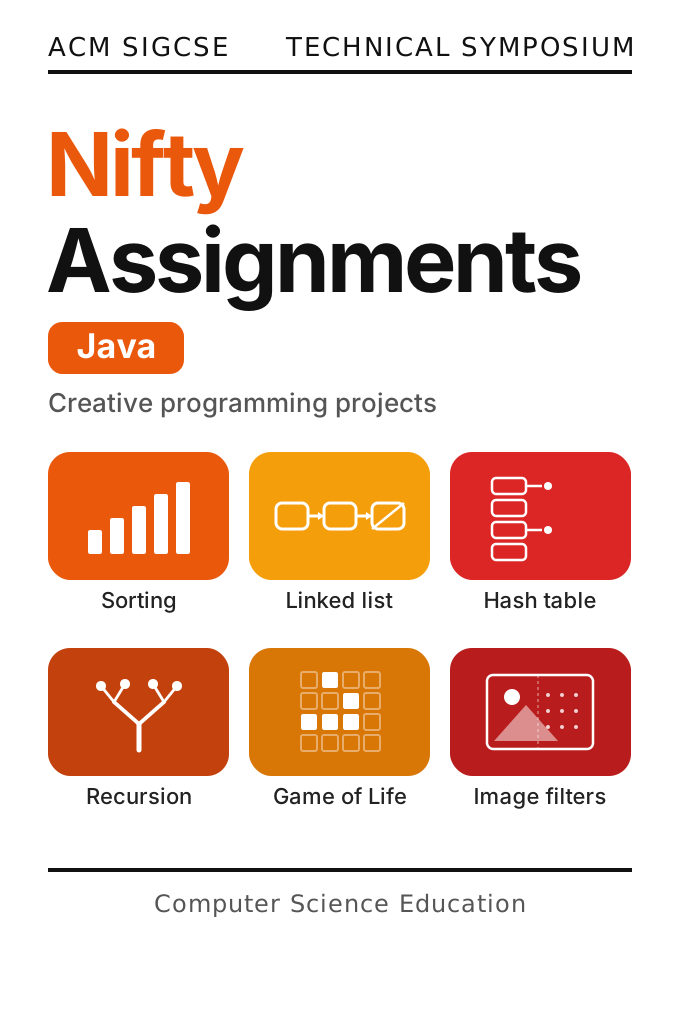
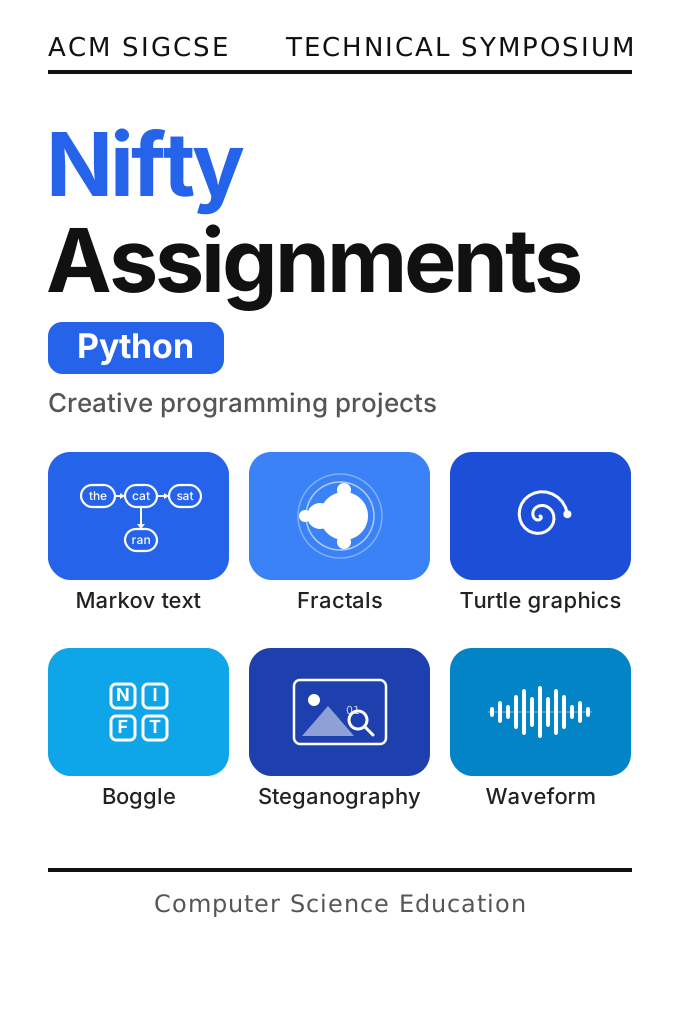
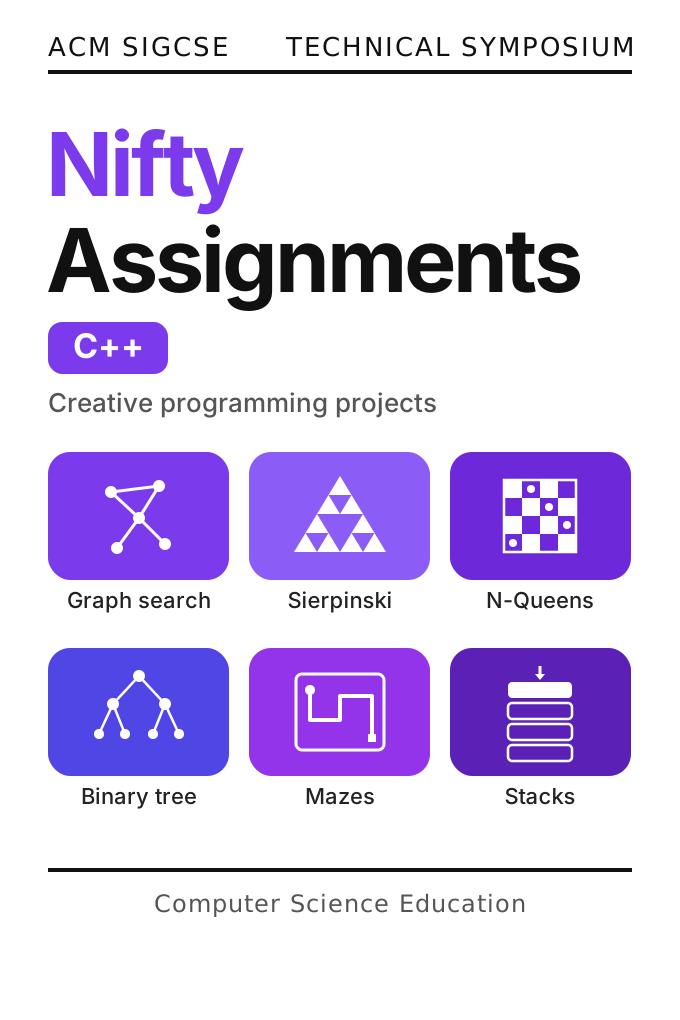
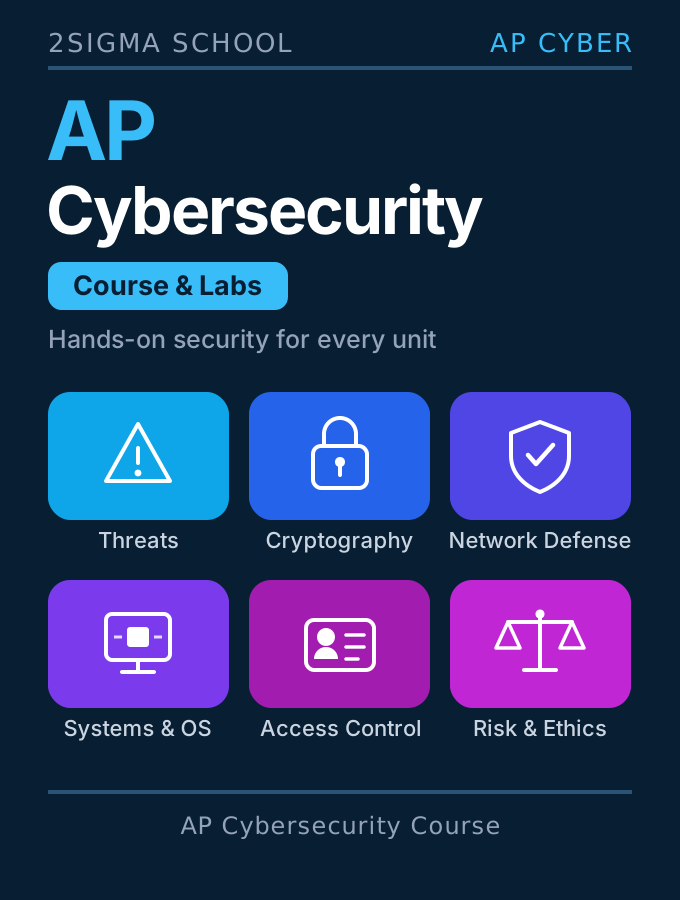
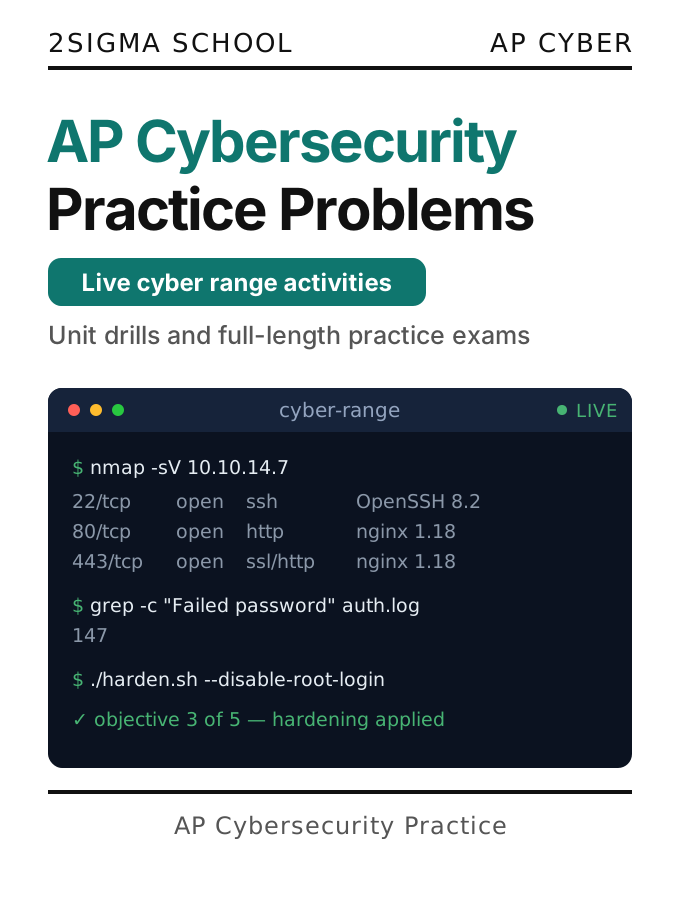
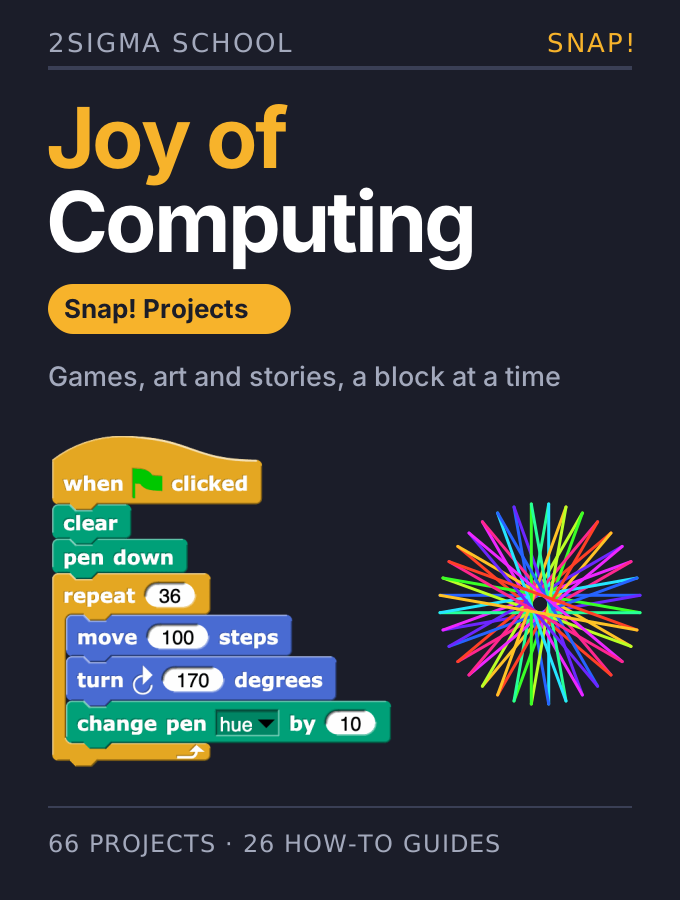
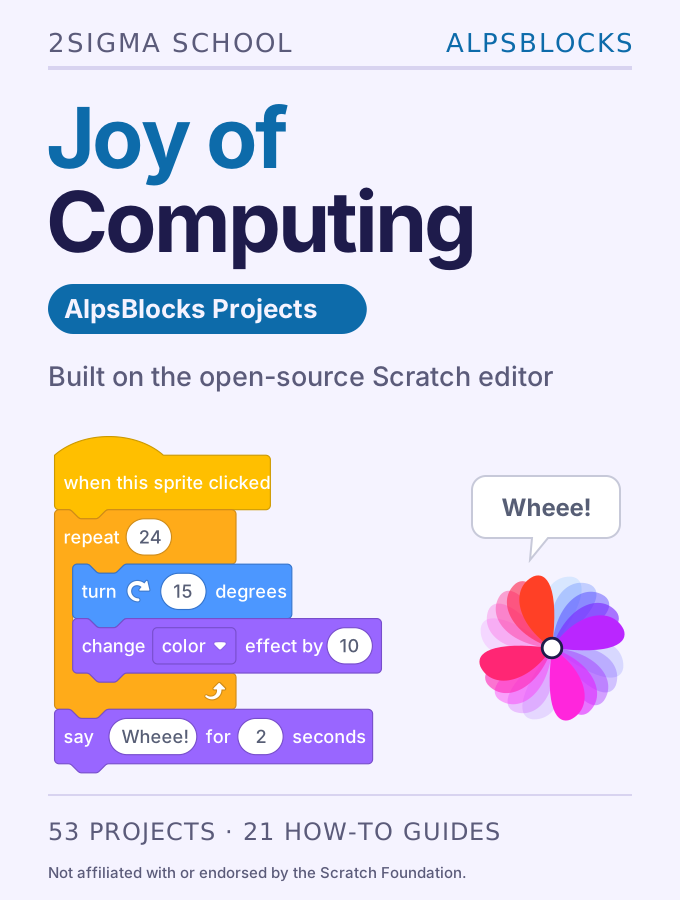
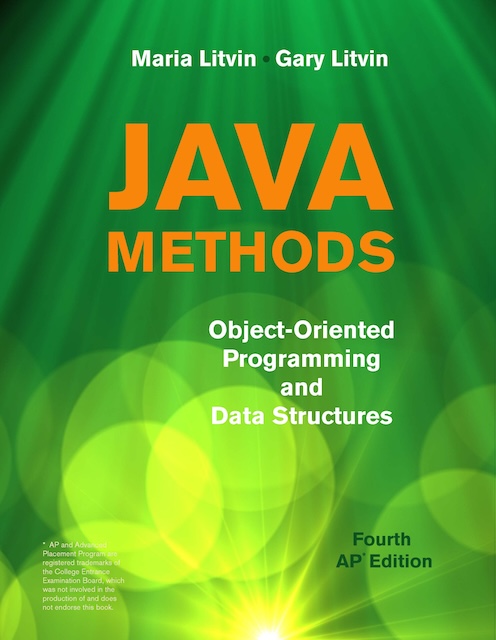
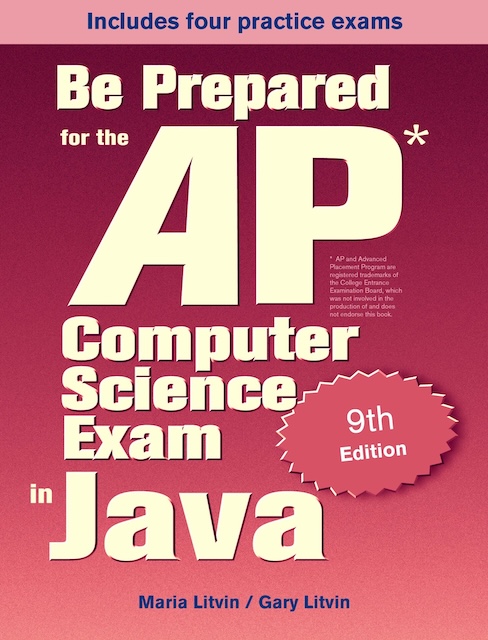
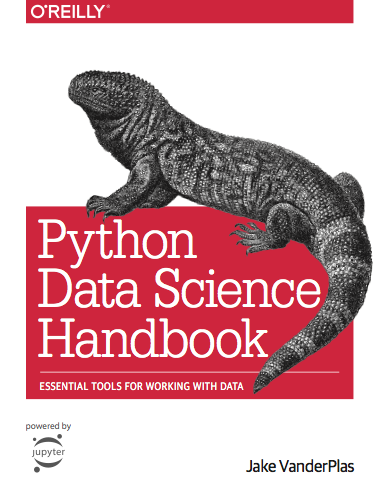

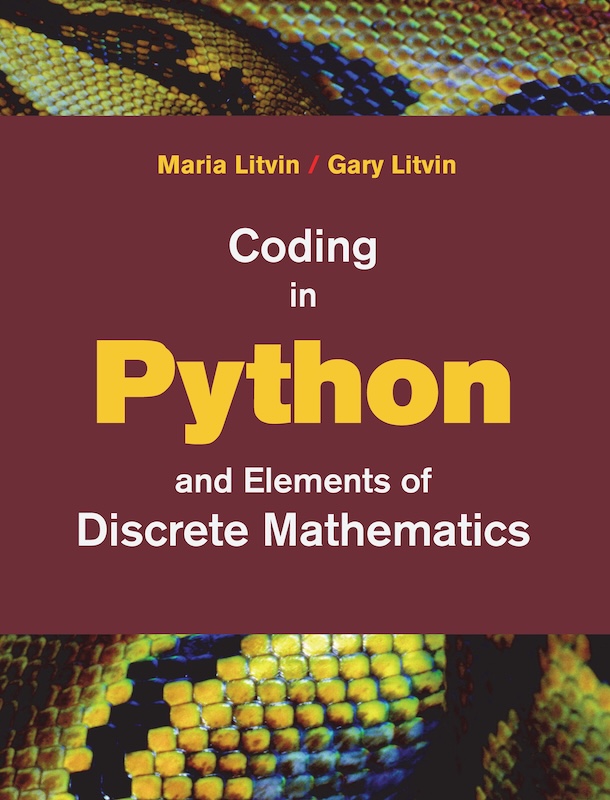
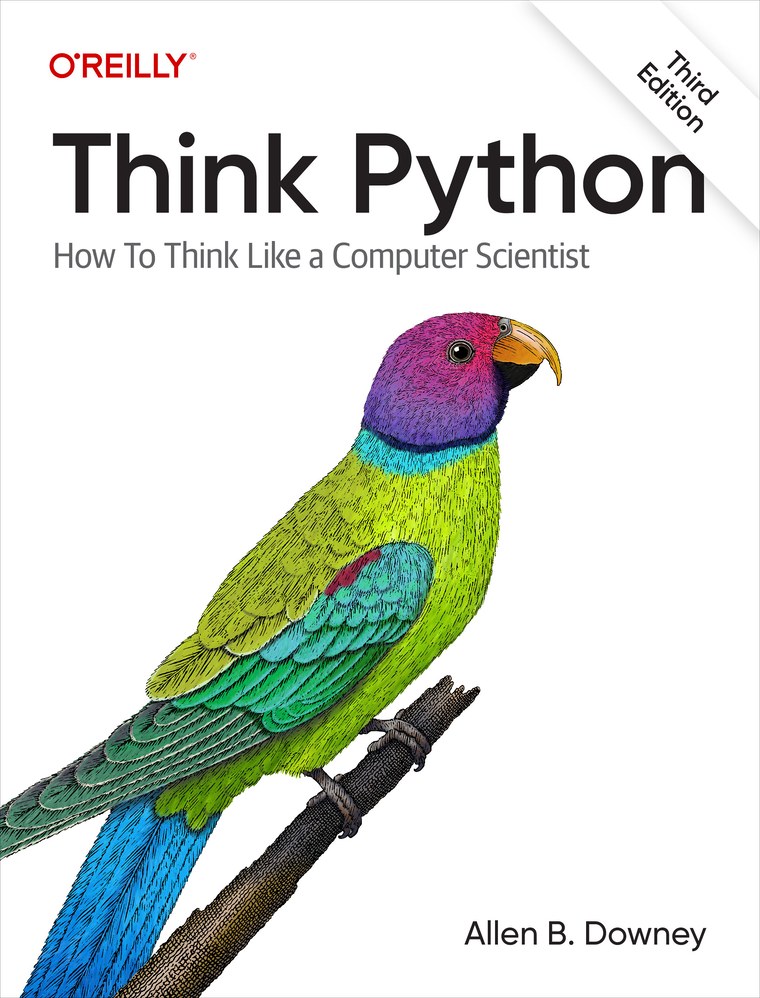
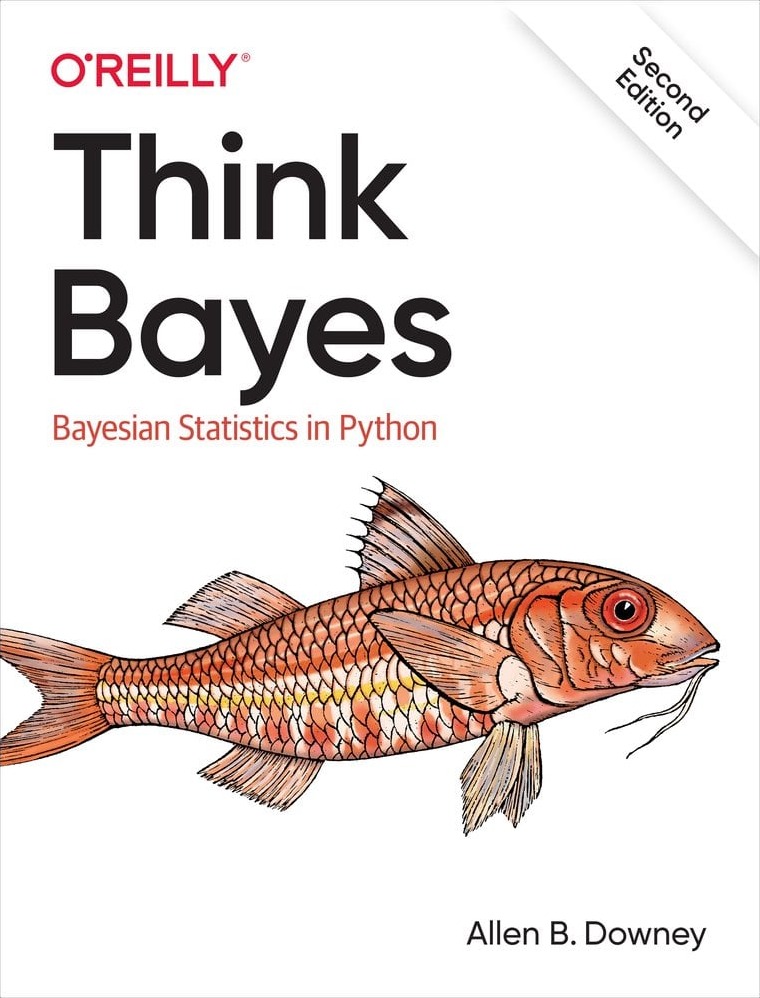
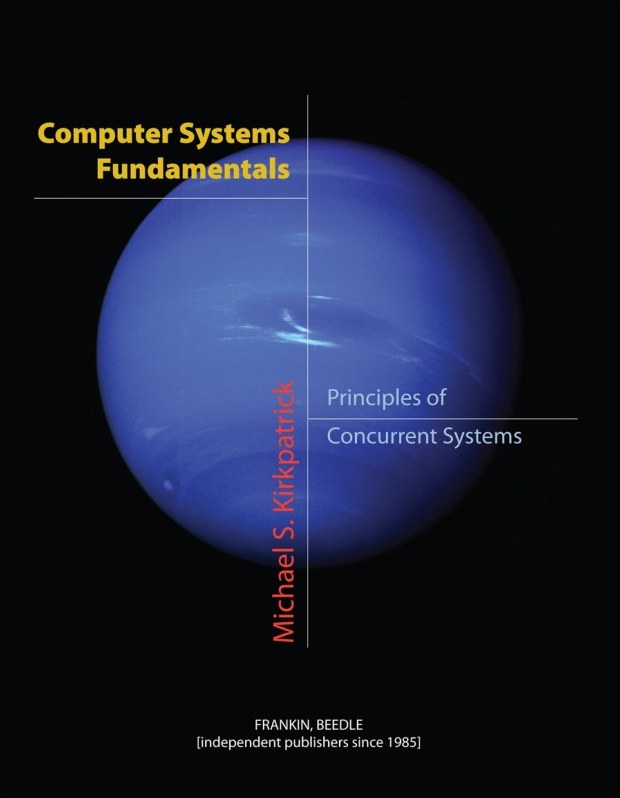
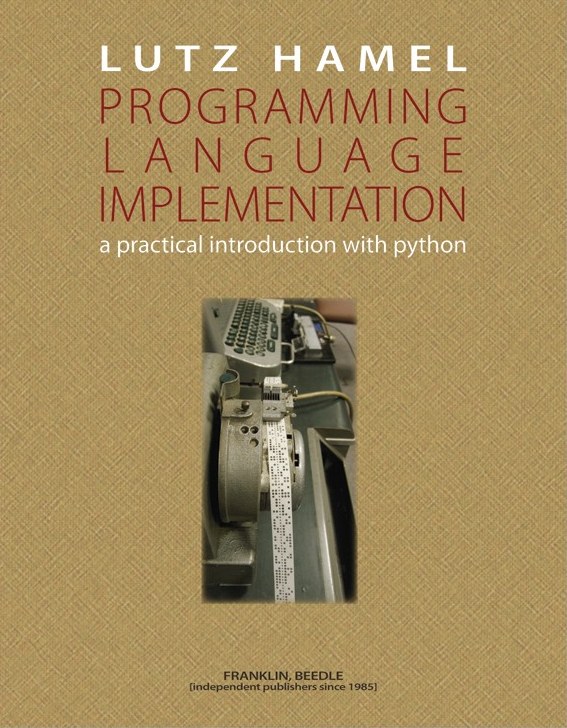
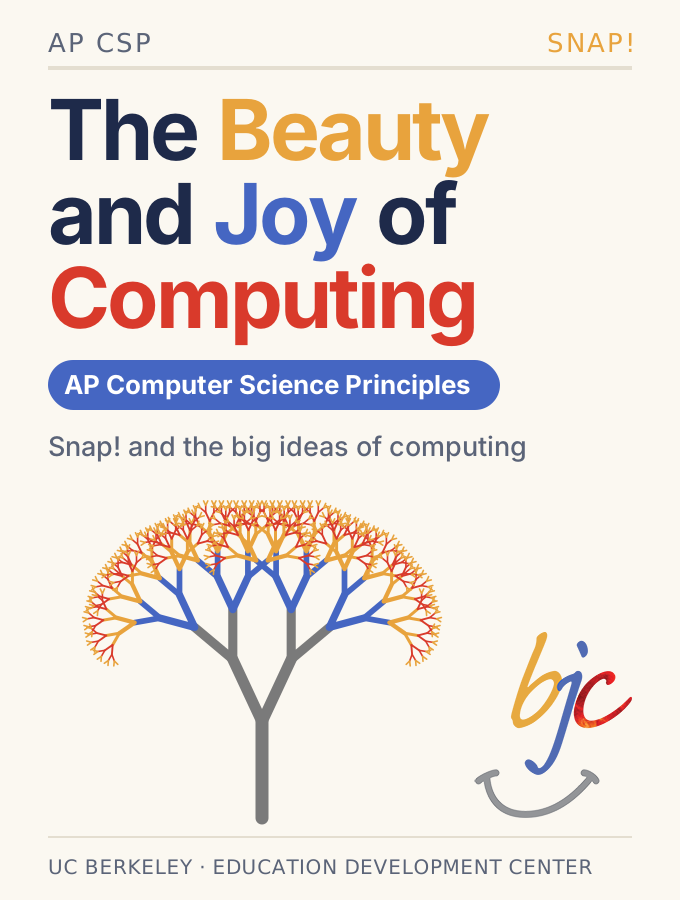
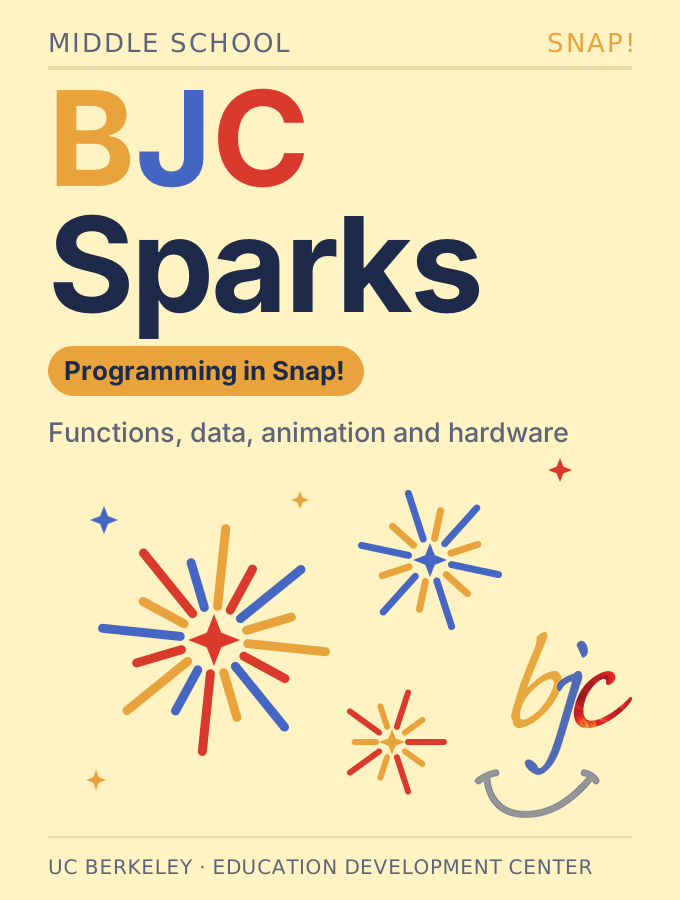
Covers with a key icon are publisher textbooks, available as licensed books.
Start with the course you already teach
Cut grading time, give every student the right practice and a quick hint, and move the whole class toward mastery.