Community college & university
Teach from the textbook your department chose
Mix several books in one course, add the labs you already wrote, and choose what each section sees. Python, Java, C++, SQL, and Jupyter all run in the browser, with auto-grading and hints built in.
Your syllabus, not a course we wrote
Most courses run on the best chapters of two or three books, plus the labs your department wrote. Alps puts all of it in one course, in your order.
One term of CS1, three sources
Units 1–4: Python for Everybody
Free, and your students keep it after the course ends.
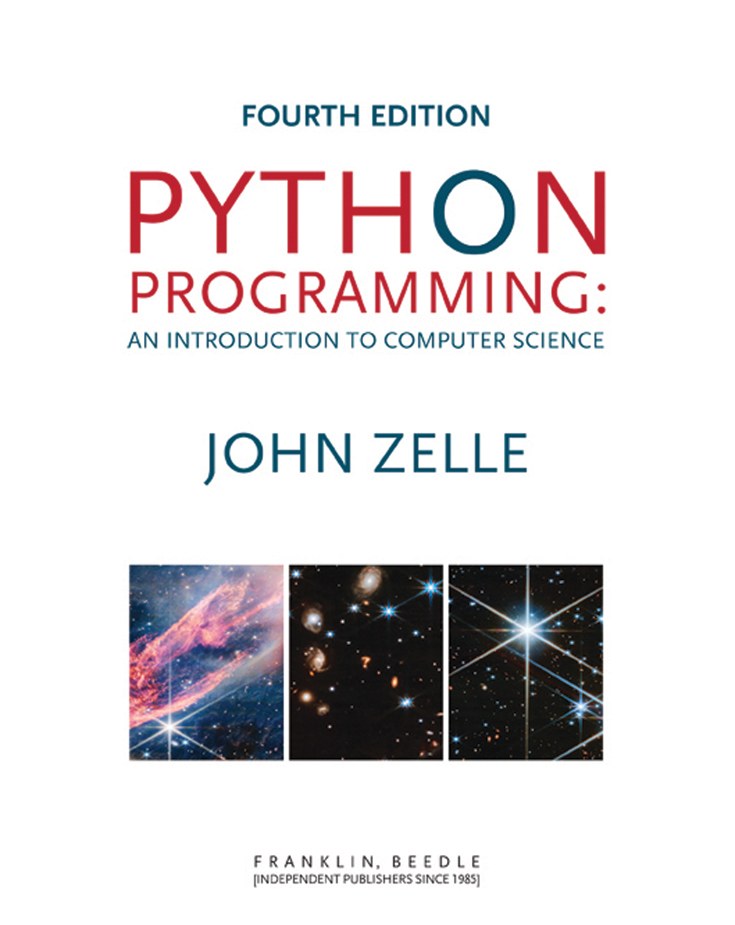
Units 5–8: Zelle, Python Programming
The object-oriented chapters your department standardized on.
Unit 9: the capstone lab you already wrote
Paste it in and it becomes an auto-graded activity like everything else.
Students see one clean textbook. Hide what you’re skipping, and your 9 a.m. section can run a different sequence than your 2 p.m. Add an activity once and every section teaching the course gets it.
One platform for the whole sequence
CS1 through compilers, databases, and data science — on one login and one gradebook. Nothing for your students or your TAs to install.
Python and Java, CS1 through data structures
A full-screen IDE with multiple files, a terminal, and working input(). Semantic checks show how the code was written, not just whether it passed.
C++ compiled with clang
Compiled with clang in the browser. Live input from std::cin, compiler errors on the exact line, the full standard library, multi-file projects.

Jupyter for data science and machine learning
NumPy, pandas, Matplotlib, and scikit-learn. Each student gets their own kernel in about two seconds. No JupyterHub to run, no container to maintain.
SQLite and PostgreSQL for the database course
Two real engines, with no server and no connection string. Data stays live between exercises, so a chapter can build one continuous story.
A practice machine for intro cybersecurity
Every exercise opens its own machine in a browser tab: accounts, permissions, firewall rules, packet captures. No lab images, no per-student licenses.
Canvas and any LTI 1.3 LMS
Launch, roster sync, and grade passback into the LMS you already run. Built for classes of 140.
The books college courses teach from
More than 40 titles, covering CS1 and CS2, data structures, data science and statistics, machine learning, databases, computer systems, compilers, web programming, and discrete math. Open titles are free on every plan. Publisher titles are licensed per student. Use one, or take chapters from several.
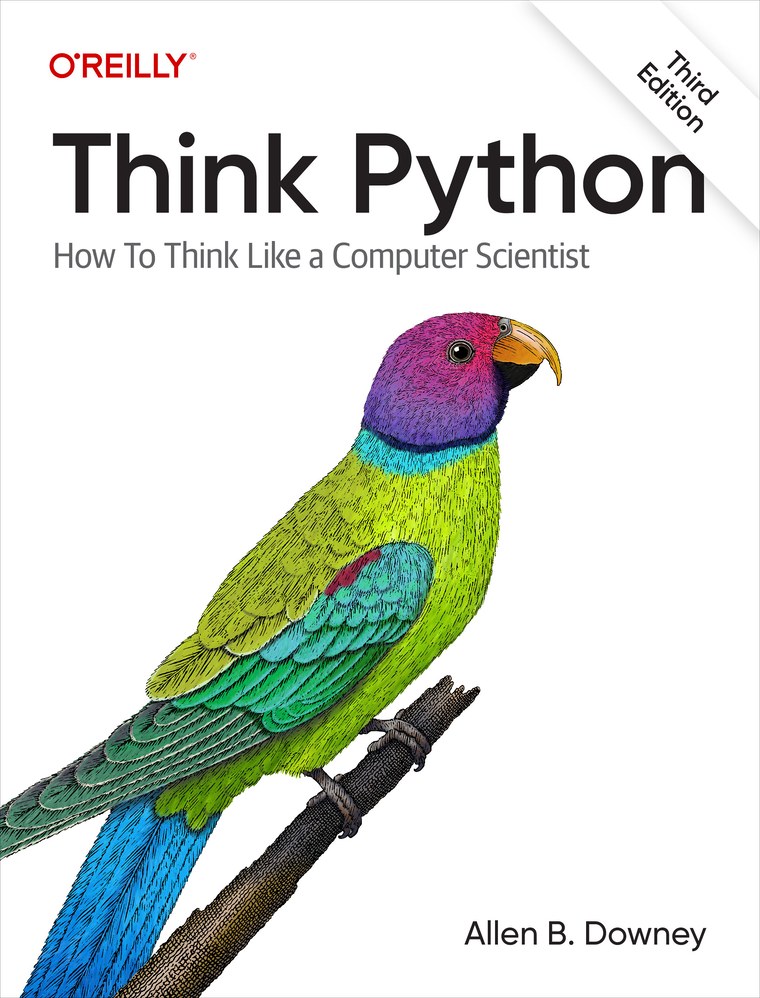
Open and free forever
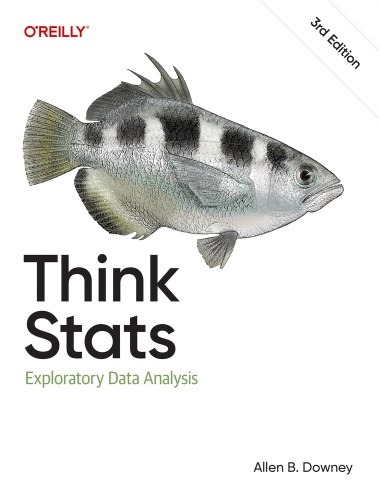
- Think Python · Think Stats
- Inferential Thinking
- Learning Data Science
- Python for Everybody
- Runestone CS1 and CS2 titles
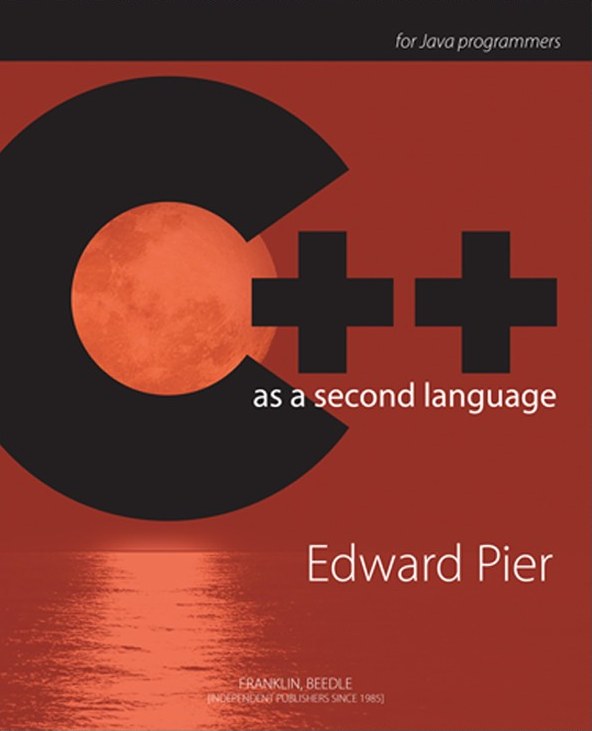
Licensed per student
- Zelle, Python Programming
- Pier, C++ as a Second Language
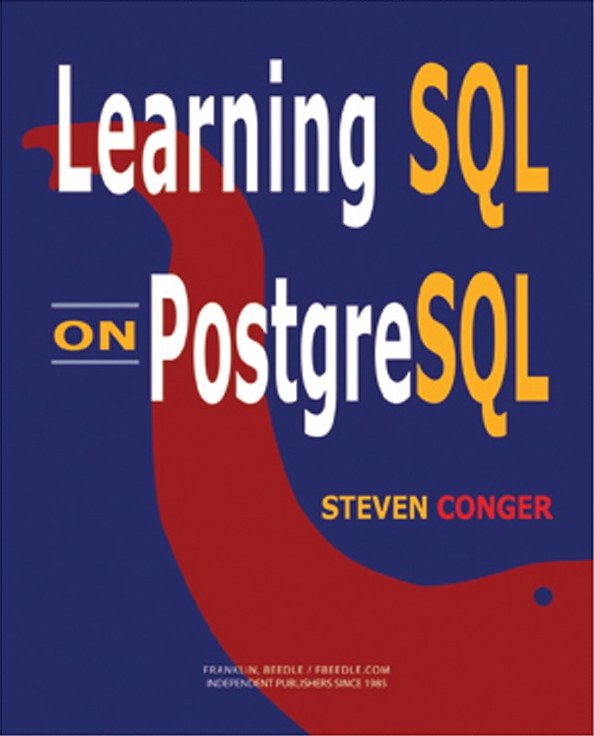
- Conger, Learning SQL on PostgreSQL
- Kirkpatrick, Computer Systems Fundamentals
- Hamel, Programming Language Implementation
What a section of 140 needs
Large sections, mixed preparation, and grading that lands on your TAs.
One section, very different starting points
Some have written code for years; some have never opened an editor. Alps builds practice at each group’s level from their own work, and you review it before students see it. A stuck student gets a hint, not the answer.
Grading your TAs can stand behind
Replay a student’s work and see where it went wrong, so help starts in the right place. Semantic checks show how the code was written — and you have the final say on every grade.
Build the budget before you talk to anyone
Alps is $32.00 per student, per term, and the rate drops with volume. Similar course platforms run $48 to $88. Starting prices are published, so you can build a department budget before you talk to anyone, and your exact quote comes back from Alps in seconds. The department can buy for the whole class, students can buy their own access, or both — you decide when you buy.
$0
Alps, free forever
With any open textbook
$32.00
Alps, per student / term
From $900 a term
$48–$88
Similar course platforms
per student, per term
Figures from public pricing pages, checked September 2026. A student in two of your courses counts once.
Get your department started
One instructor can have a section running before the next faculty meeting.
Build the course
Take an open title, license a publisher title, combine several, and add your own labs and exams.
Roster your sections
Launch from Canvas or any LTI 1.3 LMS, with roster sync and grade passback. Every section teaching the course can share one build.
Teach and track progress
Grades flow to your LMS gradebook. Mastery groups show who needs which practice, and you review every group before students see it.
Try it with one section first
Start free with any open textbook and your own labs. When it works in one section, get a quote for the course.